Price Comparison: Quartz vs Granite Countertops Explained
How Did We Decide Between Quartz and Granite for Our Kitchen? Our Journey Begins
Embarking on a home renovation adventure, my family and I faced the age-old dilemma: quartz or granite countertops? What began as a simple search for durable, beautiful surfaces quickly turned into an insightful journey that reshaped our entire perspective on kitchen materials. From initial research to the final install, we uncovered truths that every homeowner should know before making such a significant investment.
What Are the Core Differences Between Quartz and Granite Countertops?
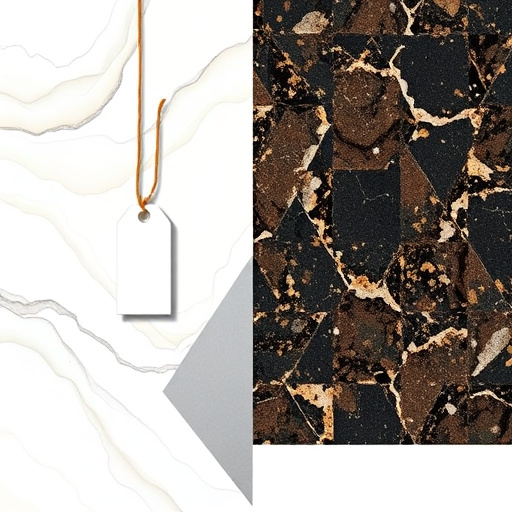
Understanding the fundamental differences is crucial. Quartz countertops are engineered surfaces made from crushed quartz mixed with resin, offering consistent patterns and enhanced durability. Granite, on the other hand, is a natural stone, with each slab showcasing unique patterns and colors, adding a rustic charm to any kitchen. Yet, these differences influence not just aesthetics but also cost, maintenance, and lifespan.
Why Does Material Origin Affect Price?
Granite's natural formation means each slab is unique, often creating a visual statement piece in your kitchen. Its rarity and the quarrying process impact price tightly linked to the specific stone’s rarity and origin. Conversely, quartz's engineered nature allows manufacturers to produce consistent patterns in large quantities, which can influence price points—sometimes making it more accessible but varying based on quality and brand.
How Do Costs of Quartz and Granite Countertops Compare in 2023?
When considering the price comparison Quartz vs granite countertops, the range of costs can be surprising. Quartz tends to fall into a mid-to-high price bracket, with quality brands offering options around $50 to $100 per square foot installed. Granite often varies more widely, generally ranging from $40 to $100+ per square foot, depending on slab rarity and origin.
What About Long-Term Value and Maintenance Costs?
While initial costs are essential, long-term expenses matter too. Quartz surfaces are non-porous, resisting stains and bacterial growth, reducing need for sealing and cleaning. Granite requires periodic sealing to prevent stains, which adds to maintenance costs over the years. The decision often hinges on balancing upfront investment with ongoing care.
How Did Our Home’s Style Influence Our Choice?
Matching the aesthetic of our new kitchen with our home’s style was a pivotal consideration. Granite’s natural patterns offered a timeless, rustic appeal perfect for our traditional design. Quartz's sleek, uniform patterns suited our modern, minimalist aesthetic. This choice ultimately reflected not only functionality but also the story we wanted our space to tell.
Are There Practical Advantages in Durability?
Yes, durability was a decisive factor. Quartz countertops are known for being highly resistant to scratches, chips, and cracks — an advantage for busy kitchens. Granite, though durable, can chip and crack more easily if not properly cared for, especially in high-impact areas.
What Are the Hidden Costs of Installing Quartz and Granite Countertops?
Beyond purchase price, labor, removal of old surfaces, and finishing materials contribute to total costs. Granite's heavy slabs require specialized lifting, which can amplify installation expenses. Quartz, being lighter and more uniform, often simplifies installation. For a comprehensive understanding, exploring options like a kitchen remodel 10x10 provides insights into installation processes and associated costs.
How Do Our Lifestyle and Usage Impact Material Choice?
If your household experiences heavy cooking, children, or frequent entertaining, durability becomes paramount. Quartz's non-porous surface makes it highly resistant to stains and bacteria, ideal for food prep. Granite’s natural flaws and porosity might require more attentive care, but some homeowners appreciate the natural imperfections that add character.
How Can Professional Guidance Elevate Your Countertop Decision?
Engaging with experienced remodelers can streamline your selection process. Our own journey was enriched by consultations with professionals who explained differences, provided samples, and offered insights into long-term maintenance. If you’re interested in remodeling your entire kitchen, exploring services like the kitchen remodeling consultation in Sugar House, Utah can be instrumental.
What Are the Environmental Impacts of Quartz Versus Granite?
Sustainability is increasingly vital. Granite is a natural, non-processed stone, but quarrying can have substantial environmental impacts. Quartz, being engineered, consumes energy during manufacturing but often uses recycled materials. Your choice can reflect your environmental values, aligning with broader sustainability goals.
Can Personal Taste and Future Trends Influence Your Decision?
Absolutely. Trends shift, but personal style remains crucial. We considered how each material ages and aligns with evolving design trends. Quartz offers a contemporary look with consistent patterns, while granite’s natural appeal tends to withstand changing styles, maintaining timeless elegance.
What Are The Final Takeaways From Our Price Comparison Quartz vs granite countertops?
In our personal journey, the decision boiled down to balancing aesthetic appeal, durability, maintenance, and budget. The price comparison illuminated that there's no one-size-fits-all answer; instead, it’s about what aligns with your lifestyle and vision. Whether you lean toward the natural, rustic charm of granite or the sleek, consistent appeal of quartz, knowledge empowers you to choose confidently.
How To Start Your Own Kitchen Transformation?
If you’re inspired to upgrade your kitchen based on your newfound insights, begin by assessing your space, style preferences, and budget. Scheduling a kitchen remodeling consultation in Sugar House, Utah can provide personalized guidance. Remember, the right choices in countertops are just one step toward creating the ideal kitchen for your family’s needs.
Key questions include: How does the material’s durability suit my lifestyle? What are the total installation costs? How will maintenance differ? An experienced contractor can help weigh these factors based on your kitchen’s specific use and aesthetic goals.
Certainly! Combining quartz and granite can create a balanced look, highlighting natural beauty while maintaining durability in high-use areas. For example, using granite for a statement island and quartz for surrounding countertops offers both uniqueness and practicality.
Maintaining your countertops involves regular cleaning, avoiding harsh chemicals, and prompt stain removal. For detailed guidance, consulting resources or professionals can extend the lifespan of your investments.
Final Reflections: Our Home’s New Look and the Truth Revealed
This journey transforming our kitchen was more than just a material choice; it was about understanding our needs, style, and future. The price comparison Quartz vs granite countertops was eye-opening, teaching us that informed decisions lead to greater satisfaction. Today, our updated kitchen stands as a testament to thoughtful planning and expert guidance—proof that choosing the right countertop isn’t just about costs but about creating a space that tells your story.